.png)

.avif)

Stone Circle Farm Culinary Series
In Season: Cultivating Intuition in Your Kitchen
From the Land to Your Table
Registration Closed: This series will be offered again.
This Spring and Summer series unfolds across ten- guided sessions for committed home cooks ready to break free from recipes and let intuition guide how they plan and prepare meals using fresh produce from farm markets.
What to Expect
-
10 classes, every other Saturday starting April 25th
-
A focused, small-group environment designed for serious home cooks
-
Developing instinct in selecting seasonal ingredients, guided by availability rather than recipes
-
Technique-driven preparation of vegetables, meat, and fish
-
Learning to cook by taste, feel, and observation
-
Building confidence to walk into a market, select what appeals to you, and turn it into a well-prepared meal
Tickets are extremely limited. The best learning happens in small groups.
Class 1: Foundations of Intuitive Cooking
April 25th, 1:00–3:00
Please note: Class One runs 1:00–3:00; all remaining classes run 1:00–4:00.
Focus: Understanding the land, the harvest, and how food wants to be cooked.
What we’ll cover:
-
Guided farm walk exploring what’s growing now, how crops move from sprout to harvest, and how growing methods influence flavor, texture, and nutrient density
-
Defining intuitive cooking: learning to make decisions based on observation, taste, and context rather than fixed recipes
-
Seasoning fundamentals and how salt, acid, sweetness, bitterness, texture, and umami work together to build flavor
-
Understanding temperature and heat control, and how it shapes texture and taste
-
When and why to use different cooking methods, including braising, grilling, smoking, searing, sautéing, stir-frying, blanching, simmering, roasting, frying, and more
-
Cookware overview: how pans, pots, and surfaces affect outcomes, and how to choose the right tool for the job
-
Introduction to flavor development and layering, with practical examples drawn from the season’s harvest
-
Enjoy some snacks (and libations) crafted with the principles covered in class

Class 3: Protein Without Intimidation: Pork
May 23rd, 1:00–4:00
Focus: Understanding pork cuts and techniques to cook with confidence and restraint.
What we’ll cover:
-
Selecting pork based on cut, fat content, and intended use
-
Matching cooking methods to cut, including searing, roasting, braising, and gentle cooking
-
Proper seasoning and timing to avoid dryness or toughness
-
Managing heat and rest for consistent results
-
Pairing pork with seasonal vegetables and simple sauces
-
Building balanced meals where pork supports rather than overwhelms
-
Tasting and adjusting in real time rather than following fixed instructions
-
Enjoy seared bone-in pork chops, marinated and grilled pork tenderloin, and seasonal veggies prepared using the techniques discussed in class

Class 5: Protein Without Intimidation: Chicken
June 20th, 1:00–4:00
Focus: Learning to cook chicken with confidence by understanding structure, moisture, and heat.
What we’ll cover:
-
Selecting whole birds and cuts based on use and cooking method
-
Understanding dark vs. white meat and how each has its own roles
-
Proper seasoning and preparation for better results
-
Matching techniques to cut, including roasting, pan-searing, braising, grilling, and frying
-
Managing temperature to achieve juiciness without guesswork
-
Pairing chicken with seasonal vegetables and simple sauces/marinades
Enjoy marinated and grilled chicken leg quarters, pan fried chicken cutlets, pan roasted chicken breast, seasonal vegetables (and libations) prepared using the techniques discussed in class

Class 7: Protein Without Intimidation: Beef
July 25th, 1:00–4:00
Focus: Learning to cook beef with confidence by understanding cut, temperature, and time.
What we’ll cover:
-
Selecting beef based on cut, fat content, and intended use
-
Understanding muscle structure and how it affects tenderness and flavor
-
Matching cooking methods to cut, including searing, roasting, braising, and grilling
-
Proper seasoning and timing to avoid toughness or dryness
-
Managing heat and rest for consistent, reliable results and learning proper cutting techniques
-
Cooking beef simply and pairing it thoughtfully with seasonal vegetables
-
Making decisions by observation and taste rather than fixed instructions
-
Enjoy seared Chuck Eye steaks, grilled Tri-Tip, proper smash burgers, and seasonal vegetables (and libations) prepared using the techniques discussed in class

Class 9: Preservation As Continuation
August 22th, 1:00–4:00
Focus: Understanding preservation methods—fermentation, freezing, pickling, and canning—and when each is most useful.
What we’ll cover:
-
An overview of core preservation methods: fermentation, freezing, pickling, and canning
-
Understanding how each method changes flavor, texture, and use
-
Choosing the appropriate method based on ingredient type, condition, and intended use
-
Fermentation fundamentals, including salt ratios, environment, and timing
-
Freezing vegetables, sauces, and components for flexibility rather than finality
-
Pickling for brightness and balance, not just shelf life
-
Canning basics, including safety considerations and when canning makes sense

Class 2: Spring Vegetables and the Power of Vinaigrettes
May 9th, 1:00–4:00
Focus: Learning how acidity, fat, and balance bring clarity and cohesion to spring cooking.
What we’ll cover:
-
Selecting spring vegetables at different stages of tenderness and maturity
-
Understanding vinaigrettes as a foundational tool rather than a fixed formula
-
How acidity sharpens flavor, balances richness, and wakes vegetables
-
Choosing fats and aromatics to support, not mask, delicate spring ingredients
-
Adjusting vinaigrettes by taste, texture, and use rather than measurement
-
Pairing raw and cooked vegetables with appropriate dressings
-
Using vinaigrettes beyond salads—to finish vegetables, proteins, and grains
-
Enjoy the “fruits” of our labors (and libations) that highlight spring vegetables dressed simply and well

Class 4: Protein Without Intimidation: Fish
June 6th, 1:00–4:00
Focus: Learning to work with fish confidently through attention to freshness, flavor, and timing.
What we’ll cover:
-
Selecting fish based on freshness, species, and intended preparation
-
Understanding texture, fat content, and how different fish respond to heat
-
Matching cooking methods to fish, including pan-searing, gentle roasting, poaching, and grilling
-
Managing temperature and timing to avoid overcooking
-
Proper seasoning and finishing to preserve delicacy and balance
-
Using simple accompaniments—vegetables, acids, and fats—to support fish rather than compete with it
-
Learning when restraint matters more than complexity
-
Enjoy fried, seared, grilled fish and seasonal vegetables (and libations) prepared using the techniques discussed in class

Class 6: Summer Vegetables: It’s Okay to Cook a Tomato
July 11th, 1:00–4:00
Focus: Learning when cooking enhances summer vegetables and when restraint matters more.
What we’ll cover:
-
Assessing ripeness and deciding when heat improves flavor and texture
-
Understanding moisture, sugar, and acidity in summer vegetables
-
Choosing between raw, lightly cooked, and fully cooked preparations
-
Applying high-heat techniques with intention, including blistering, searing, and quick roasting
-
Using salt and acid to sharpen summer vegetables without weighing them down
-
Pairing cooked and raw elements for balance and contrast
-
Practicing restraint when high quality ingredients need very little intervention
-
Enjoy a variety of seasonal vegetables (and libations) prepared using the techniques discussed in class

Class 8: Shellfish Without the Stress
August 8th, 1:00–4:00
Focus: Learning to cook shellfish with confidence by understanding freshness, timing, and restraint.
What we’ll cover:
-
Selecting shellfish based on freshness and source. Local matters! Where to find the best sources (we know some peeps)
-
Understanding different types of shellfish and how they behave with heat
-
Knowing when shellfish are done—and why less time is often better
-
Proper seasoning and finishing without masking natural sweetness
-
Matching cooking methods to shellfish, including sautéing, grilling, quick poaching, and roasting
-
Avoiding common mistakes that lead to toughness or overcooking
-
Pairing shellfish with vegetables, acids, and fats that complement rather than compete
-
Shucking oysters and clams the right way
-
Enjoy local oysters, clams, shrimp, with vegetable based sauces (and libations) prepared using the techniques discussed in class

Class 10: Final Capstone Class: Cooking With Confidence
September 5th, 1:00–4:00
Focus: Bringing the season together through independent decision-making, reflection, and shared meals.
What we’ll cover:
-
Each participant brings a dish prepared independently, guided by intuition rather than a written recipe
-
Ingredients may be sourced from the farm market, personal pantry, or preserved elements from the season
-
Participants are invited to shop the farm market the week prior to class; ingredients for the dish are included
-
Optional time during class to finish or adjust dishes using the outdoor kitchen and available equipment
-
Group discussion of choices made, including ingredient selection, methods used, and adjustments along the way
-
Tasting together with attention to balance, restraint, and clarity rather than critique
-
Reflection on how intuition, judgment, and confidence have shifted over the course of the season
-
A shared meal that reflects individual voices within a common seasonal framework

Investment: $1,500 for the full program. Payment plans available at checkout.
This series is intentionally limited in size to preserve the quality of instruction and experience. Enrollment is for the full series only and is designed for cooks able to commit to the season in its entirety. Participants receive nearly 30 hours of guided, season-long instruction.
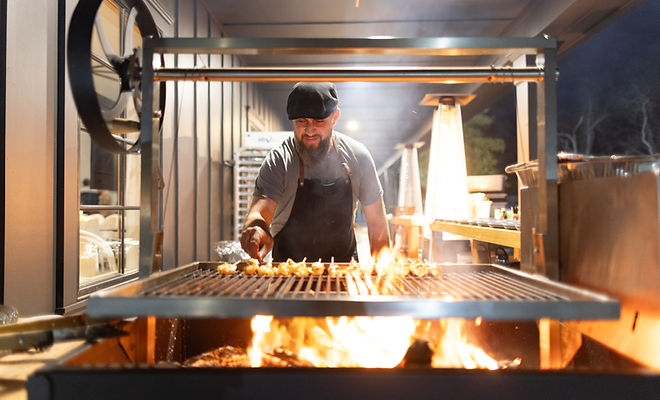
Instructor: Andrew Steiner is a farmer and chef whose cooking philosophy is rooted in simplicity and respect for ingredients. A former restaurant owner and executive chef, he has spent his career creating menus inspired by what’s fresh from the field. At Stone Circle Farm, Andrew grows the food he cooks—merging two worlds that rarely meet so intimately. His approach to food is tactile, instinctive, and generous, reminding students that cooking well begins long before the kitchen.
Frequently Asked Questions
Who is this series for?
This series is designed for committed home cooks who already spend time in the kitchen and want to cook with more confidence, flexibility, and judgment. It’s ideal for cooks ready to move beyond recipes and learn how to make decisions based on seasonality, technique, and taste.
Do participants cook during class?
Classes are primarily demonstration-based, with tasting, discussion, and observation throughout. Each class also includes the preparation of seasonal vegetables alongside the featured proteins, so vegetable cooking is woven into every session.
Two participants will rotate into a supporting sous-chef role at each class, assisting with preparation and execution as part of the learning process. This rotation ensures that everyone has time working more closely with ingredients, technique, and kitchen flow over the course of the season.
Is the series only focused on meat and proteins?
No. While several classes focus on specific proteins, every class includes vegetable cooking as a central component. Vegetables are treated as foundational, not secondary, and are used to explore technique, seasoning, balance, and decision-making throughout the season.
Do I need professional cooking experience?
No professional experience is required. However, this series is best suited for cooks who are comfortable in the kitchen and eager to deepen how they cook. It is not intended for beginners looking for basic knife skills or introductory cooking instruction.
What’s included in the program?
Tuition includes all food and ingredients used during class, seasonal produce, proteins, tastings at each session, a kitchen thermometer, beer and wine during the first class, and all instructional materials including market items needed for capstone project.
What if I have dietary restrictions?
Many classes focus on vegetables, and we approach proteins and sauces with flexibility. While we do our best to be inclusive, this series is not designed to accommodate all dietary restrictions. Please reach out before enrolling if you have questions about specific needs.
Is this a drop-in series?
No. Enrollment is for the full series only. The curriculum is designed to build over time, with each class building on the last. We do offer private cooking lessons if this class is for you, but you cannot commit to all the dates.
How many people are in each class?
Enrollment is intentionally limited to maintain a focused, small-group learning environment.
What is the capstone class?
The final class brings the season together. Each participant prepares a dish independently, guided by intuition rather than a written recipe, and brings it to share and discuss. Ingredients may be sourced from the farm market, personal pantry, or preserved elements from the season.
What happens if I miss a class?
Because of the cohort structure and sourcing involved, classes are not recorded or made up. We encourage participants to attend all sessions to get the most from the experience.
What is the cancellation or refund policy?
Due to the planning, sourcing, and commitment required for the series, enrollment is non-refundable once the program begins. Please reach out before enrolling if you have questions about your ability to commit to the full season.
BYOB?
We are providing adult beverages for the first class, and you are welcome to bring some along for the other classes!
How do I enroll?
Enrollment is available through the shop now page on the website. Payment plans are available at checkout.